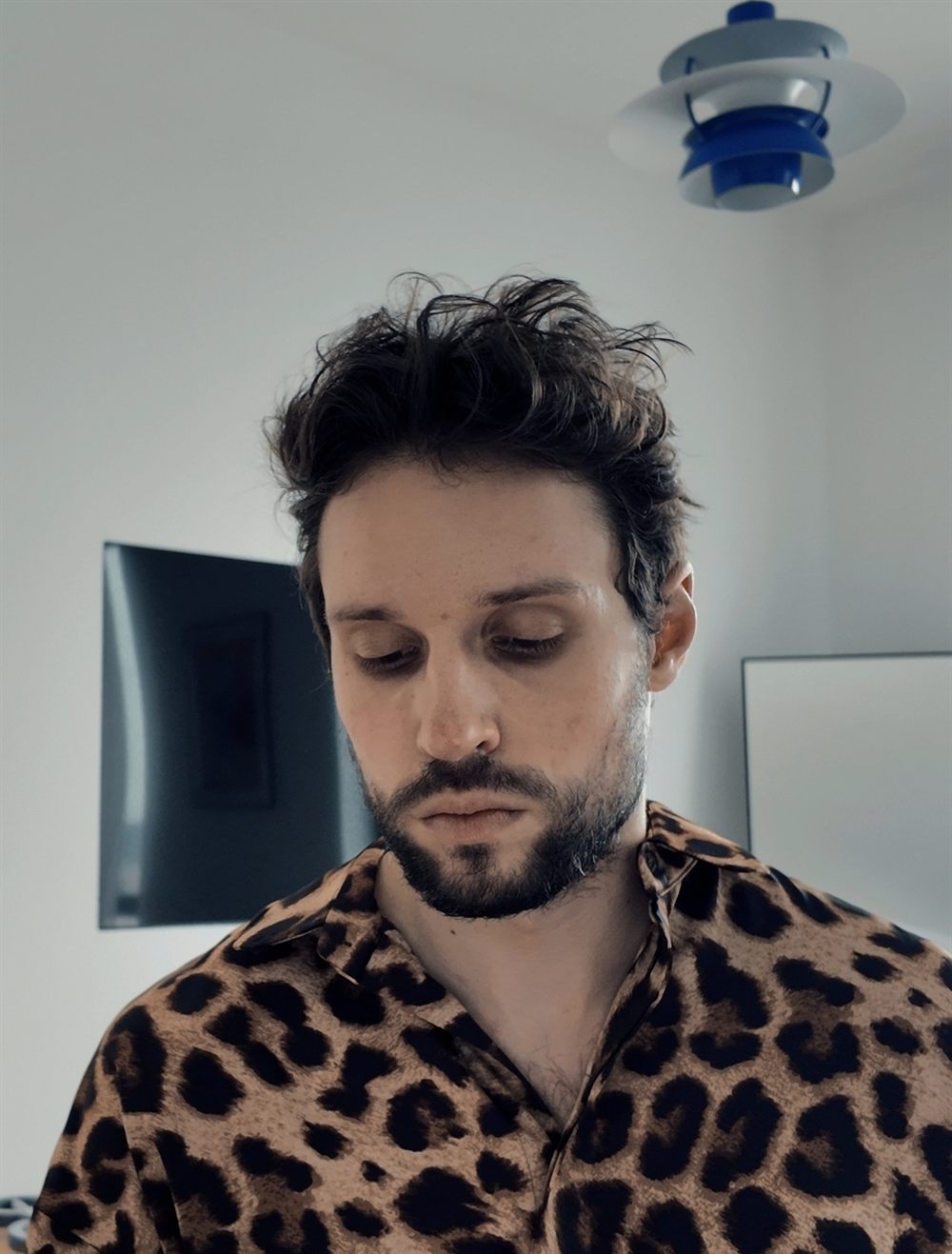
An independent researcher of complex systems.
I study how complex systems come to possess the organization and capabilities we observe in them, what keeps those properties intact through change, and what determines what the system can become next.
Much of the work begins where a snapshot stops being enough. Two systems can look identical now and still be different in almost every way that matters: how they were formed, what they depend on, what they can survive, what they can rebuild, what they can learn next, and which futures remain open to them.
This leads to a set of concrete questions. When does a capability belong to a system rather than to the environment supporting it? What survives when parts, resources, or external scaffolds are removed? When is persistence only continued operation, and when does a system actually possess the means to reconstruct or reproduce what it needs? How does developmental history alter present behaviour and future possibility? When do interacting components become a causal organization in their own right?
The same problems become stranger at larger scales. Environments do not merely contain systems; they can shape their development, preserve their history, alter what can emerge inside them, and themselves be changed by their inhabitants. Tools of observation do not merely reveal phenomena; they participate in the chain by which observations become evidence and evidence becomes scientific knowledge. Collections of agents, machines, infrastructures, institutions, and resources can display capacities that exist nowhere in isolation. Simple generative rules can produce long developmental histories, deep strategic structure, new niches, and forms of organization that were not explicitly designed into the starting state.
What began for me as a broad question about continuity and organization has therefore become a collection of experimental research programmes. I build causal models, developmental histories, artificial worlds, interacting systems, interventions, counterfactuals, and reproducible computational experiments. I vary origins while holding present state fixed, remove support, change causal order, fork histories, rebuild damaged systems, alter environments, and test whether an apparent capability survives outside the conditions that first produced it.
The aim is increasingly concrete: to identify which distinctions are real enough to survive these manipulations, which apparent unities fall apart under causal testing, and which phenomena require concepts we do not yet have.
The essays are the public record of that work as it develops.